Crypto Ads in 2026: Where Crypto Brands Can Still Advertise
Crypto ads in 2026: what Google, Meta and X allow, which projects get blocked, and where crypto brands can still buy reach on crypto-native sites.
13 Nov 2026 · Advertisers
Crypto ads are still possible in 2026, but where you can run them depends on what you sell. Licensed exchanges and wallets can get approved on Google and Meta in specific countries, while tokens, presales, DeFi protocols and most early-stage projects are either banned there or stuck in long approval queues. For those projects, the realistic channels are crypto-native ad networks, sponsored content on crypto media, and community placements.
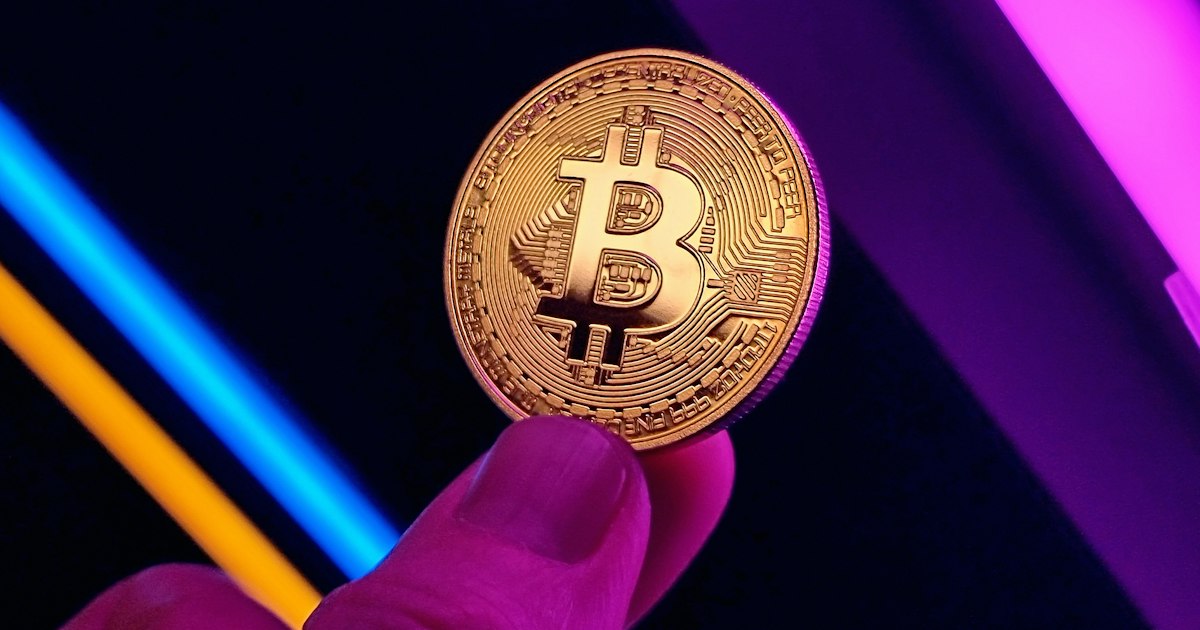
Photo: Erling Løken Andersen on Unsplash
This guide walks through what each channel accepts as of late 2026, what it costs to get in, and how to build a working plan when the big platforms say no.
Why crypto advertising is harder than other verticals
Most ad platforms treat crypto as a financial product. That puts it in the same bucket as trading, lending and investment services, which means licensing checks, country restrictions and manual certification. The rules exist because the category has a long history of scams, and the platforms carry legal risk for what they promote.
The practical effect for a crypto team:
- Licensed businesses (regulated exchanges, custodial wallets) can usually advertise, but only in markets where they hold a license, and only after a certification process.
- Non-trading businesses (crypto news, education, tax software, merchants that accept crypto) face fewer restrictions, but ads still get flagged by automated review because of keywords.
- Token projects, presales, DEXs and DeFi apps are the hardest case. On the largest platforms they are mostly not allowed at all.
If you fall in the third group, knowing this early saves weeks of rejected ads and suspended accounts.
What the big platforms allow (as of late 2026)
Policies change often, so treat the summary below as a starting point and check the live policy pages before you build a campaign.
Google Ads
Google’s Cryptocurrencies and related products policy allows exchanges and software wallets only in approved markets (the list includes the EU under MiCA, the UK, the US, Japan and Canada, among others). The advertiser needs the local license or registration and a Google certification. Hardware wallets that only store keys are also allowed in approved markets with certification.
Google prohibits, globally: ICO presales and public offerings, initial DEX offerings, token liquidity pools, DeFi trading protocols, crypto loans, unhosted software wallets, unregulated dApps, trading signals and investment advice, and aggregator or affiliate sites that compare crypto issuers. Businesses that don’t involve buying, holding or exchanging crypto, such as merchants that accept crypto payments, can advertise without certification.
Meta (Facebook and Instagram)
Meta’s cryptocurrency products and services policy requires written permission for ads about exchanges and trading platforms, crypto lending and borrowing, wallets that let users buy, swap or stake, mining software, and ads soliciting investment (including affiliate and aggregator sites). To get permission, advertisers show a recognized regulatory license or registration from a list of eligible jurisdictions.
Crypto news, education and events, NFTs and storage-only wallets don’t need prior permission, as long as they don’t offer trading. In practice, the line between “education” and “promotion” is where many ads get rejected.
X (Twitter)
X lists cryptocurrency products under its financial services ad policy and allows them with restrictions that vary by country. Reports during 2026 also describe changes to how paid crypto partnerships by creators must be labeled. Because these rules have shifted several times, read X’s current financial services policy for your target country before planning spend there.
For a deeper comparison of costs, audiences and approval times, see Web3 advertising vs Google and Meta.
Where crypto brands can still advertise
If the big platforms are closed or slow for your project, these channels remain open. Most crypto marketing plans in 2026 combine two or three of them.
| Channel | Who it suits | Cost model | Main trade-off |
|---|---|---|---|
| Crypto-native display networks | Tokens, DeFi, wallets, exchanges, tools | CPM or CPC bids | Smaller reach than Google, but the audience already uses crypto |
| Sponsored articles on crypto media | Launches, funding news, product releases | Flat fee per article | One-time spike; quality varies a lot between sites |
| Influencer and KOL posts | Community-driven tokens | Flat fee per post | Hard to measure, disclosure rules apply |
| Community placements (Telegram, Discord) | Early-stage projects | Flat fee or barter | Bot-heavy audiences are common |
| Search and social (licensed only) | Regulated exchanges and wallets | CPC / CPM | Licensing and certification required |
Crypto-native display networks
A crypto ad network buys inventory from crypto sites (news portals, wallets, DeFi dashboards, exchanges, faucets) and sells it to crypto advertisers. Because both sides are in the same vertical, token and DeFi campaigns that would be rejected elsewhere can run after a review of the creative and landing page.
What to check before you fund one:
- Payment method. Many crypto networks take deposits in stablecoins. Confirm the chain and token so you don’t send funds to the wrong network.
- Minimum spend. Some networks ask for thousands of dollars up front. Others let you start small and test.
- Inventory quality. Ask what categories of sites you’ll appear on, and whether incentivized traffic (faucets, reward sites) is mixed in or sold separately.
- Reporting. You want impressions and clicks per creative, ideally in real time, plus a way to track conversions on your own site.
- Traffic filtering. Ask how invalid traffic is filtered before you are billed.
Affizy is one example of this model: a Web3 ad network on BNB Smart Chain where advertisers deposit USDT or BNB, set a CPM or CPC bid, and target by category and format. CPC bids are capped at $0.25, self-serve campaigns start from $20, and incentivized traffic sits on a separate tier you can exclude. You can see the details on the crypto advertising page for advertisers.
Sponsored content on crypto media
A sponsored article on a crypto news site gives you an indexed page, a backlink and a burst of readers. It works best when there is real news: a mainnet launch, a listing, a partnership. Insist that the post is clearly marked as sponsored; readers and regulators both expect it, and unmarked “news” damages trust when it’s discovered.
Influencers and communities
KOL posts and Telegram group promotions can move fast, but measurement is weak and fake engagement is common. If you use them, give each placement its own tracked link and compare the cost per real signup with your display numbers.
How to plan crypto ads that actually work
Getting approved is only the first step. These habits separate campaigns that convert from ones that burn budget.
Start with a test budget
Split a small budget across two or three channels and run each for one to two weeks. Compare cost per signup or cost per deposit, not cost per click. Clicks from crypto audiences vary wildly in quality.
Track conversions from day one
Put a tracking pixel or a server-to-server postback on the action you care about (signup, wallet connect, first deposit). Without it you will optimize for clicks and end up paying for curiosity rather than users.
Match the creative to the placement
Display banners on crypto sites compete with price tickers and charts. Clear value propositions, a visible logo and one call to action do better than dense text. Our guide to crypto banner ads that convert covers sizes, creatives and bidding in detail.
Stay away from claims that get you in trouble
Even networks that accept token campaigns will reject guaranteed returns, fake endorsements and misleading “airdrop” claims. The same rules protect you from regulators in your target countries, so write ads as if a compliance officer will read them.
Watch frequency and placement reports
Crypto-native audiences are smaller than mainstream social audiences, so the same person can see your banner many times. Rotate creatives every week or two and drop placements that deliver impressions but no conversions.
A simple channel mix by project stage
- Pre-launch / testnet: sponsored article plus a small display campaign to build a waitlist.
- Launch week: display on crypto news and DeFi tool sites, a sponsored post timed with the announcement, community AMAs.
- Post-launch growth: steady display with conversion tracking, creative rotation, and retargeting where the platform supports it.
- Licensed and mature: add Google and Meta in the markets where you’re certified, keep crypto-native display for audiences the big platforms don’t reach well.
At the time of writing (November 2026), the Affizy network has served over 8.5 million impressions across 600+ ad zones; live figures are on the network stats page. Whatever network you pick, ask for public or verifiable stats before you commit budget.
If you want to compare options in your own numbers, create an advertiser campaign with a test budget and measure it against your other channels.
FAQ
Can I run crypto ads on Google in 2026?
Yes, if you are a licensed exchange or wallet operating in one of Google’s approved markets and you complete Google’s certification. ICOs, DeFi protocols, token presales and unregulated dApps are prohibited, as of late 2026.
Does Meta allow crypto ads?
Meta allows them with written permission for exchanges, trading, lending, trading-enabled wallets and investment offers, which requires a recognized license. News, education, events, NFTs and storage-only wallets can run without prior permission.
Where can a new token project advertise?
Crypto-native display networks, sponsored articles on crypto media, and community placements are the main options. Check each channel’s review rules, and avoid claims about guaranteed returns.
How much do crypto ads cost?
It depends on the channel and your bid. Display networks usually work on CPM or CPC, sponsored articles on a flat fee per post. Start with a small test budget and compare cost per conversion across channels.
How do I know if crypto ad traffic is real?
Track conversions on your own site with a pixel or postback, ask the network how traffic is filtered before billing, and check whether incentivized traffic is sold separately. Real users show up in signups and deposits, not only in clicks.